2 MIN READ
100 years since the birth of archaeologist Marija Gimbutienė (or Gimbutas) (1921-1994) is celebrated today, on January 23. Born in Lithuania in 1921, most of her life, Marija lived and worked in the United States. Her research’s main field was the Neolithic and the Bronze Age cultures, and her Kurgan* hypothesis played a role in the discussions in Proto-Indo-European (PIE)** culture and language studies. Marija’s 100th birthday has landed on the UNESCO list of anniversaries of 2021 and will be celebrated throughout the year through multiple events in her honor.
Marija and I share the same birthplace, passion for cultures, and belief in equality and respect between genders in a peaceful society. That kind of society, in her view, existed in Old Europe -an indigenous egalitarian society of Europe before the arrival of the Kurgan, or Proto-Indo-European people (which she believed originated in the Russian steppes, north of the Caucasus) and spread all over the continent sometime after circa 5000 – 4000 B.C. Indo-European languages and cultures of today are then a result of merging these two. In her research work, she used comparative linguistics, mythology, and archaeology and greatly contributed to the interdisciplinary field called archaeomythology. Her theories strike a chord with many who believe in social equality, a peaceful world, and the importance of nature.
Mrs. Gimbutiene was a prolific writer of books and articles. A great treasure perched on my shelves is The Living Goddesses (1999), Marija’s last book, with the focus on the Neolithic era (ca 7000/6000-3000 B.C.) and the Bronze Age (ca 2500-1500 B.C.) as the main sources of research and findings.
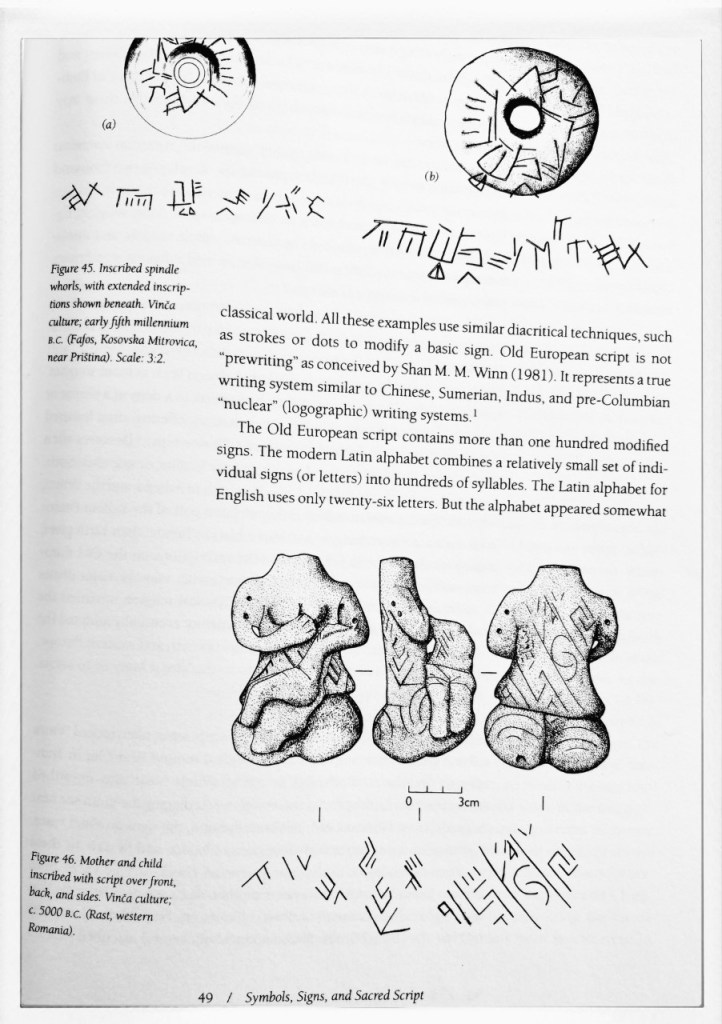
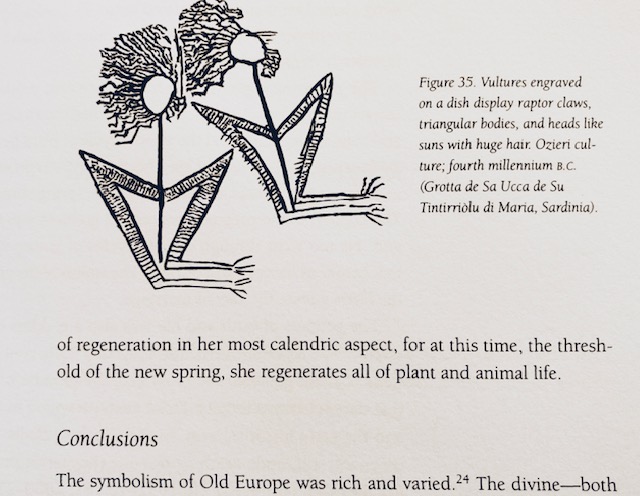
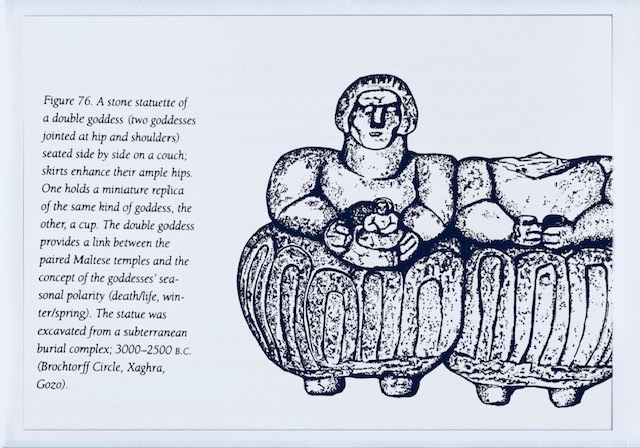
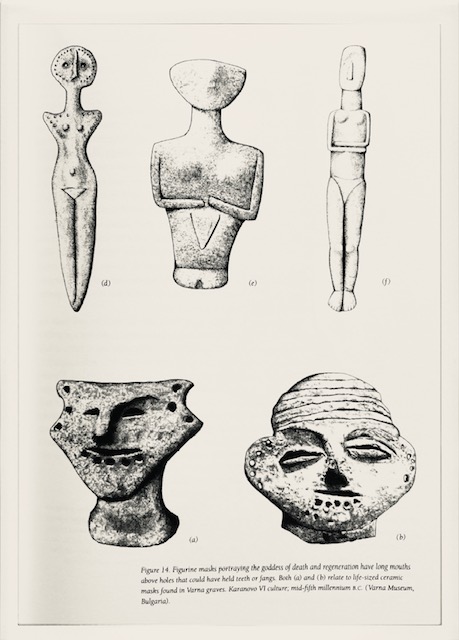
Among other notable works by Marija Gimbutienė, we find Language of the Goddess (1989), The Civilization of the Goddess: The World of Old Europe (1991).
**
*Kurgan – burying sites which were pit graves covered with a cairn or an earthen mound-kurgan, a Turkic word for a tumulus.
** Proto-Indo-European (PIE) – common ancestor of Indo-European culture and languages
Sources: UNESCO, “The Living Goddesses” M. Gimbutienė (1999)
 Ventral Striatum